 Язык
Язык English
 français
 Deutsch
 русский
 español
 português


Что Вы ищете?

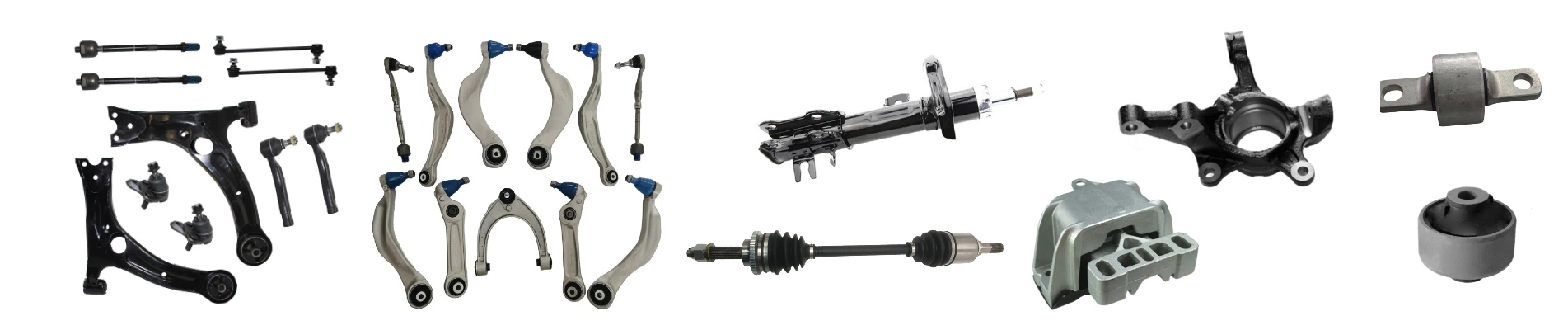
В сфере автозапчастей давно распространено ошибочное мнение: чем тяжелее автозапчасть, тем лучше ее качество и долговечность. Многие покупатели в автосервисах и автовладельцы склонны оценивать запчасти исключительно по их весу. Они считают, что прочная, тяжелая деталь означает достаточное количество сырья и надежное качество, в то время как более легкая считается некачественной работой с экономией на материалах.
Это предвзятое суждение возникло не на пустом месте. На заре своего существования низкокачественные запчасти для вторичного рынка часто страдали от недостаточного использования материалов. Например, рычаги подвески, изготовленные из тонкой штампованной стали, тормозные диски, отлитые из некачественного железа, и резиновые детали, смешанные с некачественными наполнителями, были заметно легче. После установки на автомобиль такие детали были склонны к деформации, разрушению и быстрому износу.
Постепенно рынок выработал простое эмпирическое правило: Более тяжелые детали = прочные материалы = надежное качество Однако этот стандарт применялся только к устаревшим изделиям с примитивным мастерством и грубым дизайном. Он совершенно несовместим с современными технологиями производства, передовыми материалами и профессиональными концепциями промышленного дизайна.
Вес автозапчасти никогда не является единственным показателем её качества. Он определяется тремя ключевыми факторами: оригинальные проектные стандарты завода, используемые материалы и внутренняя структурная оптимизация. Больший вес не означает более высокую производительность или более длительный срок службы.
Возьмем, к примеру, компоненты шасси: высокопрочный рычаг подвески из алюминиевого сплава значительно легче традиционного чугунного аналога, но при этом обеспечивает равную или даже лучшую несущую способность и ударопрочность. Избыточный вес на неподрессоренной массе увеличит износ шин, повлияет на гибкость рулевого управления и комфорт вождения. В этом случае разумное снижение веса является преимуществом конструкции, а не признаком низкого качества.
Профессиональные научно-исследовательские и производственные группы проведут анализ методом конечных элементов для удаления избыточного материала и усиления ключевых зон, подверженных нагрузке. Такая структурная оптимизация гарантирует соответствие детали всем требованиям к механическим характеристикам и эффективно предотвращает увеличение веса.
Откажитесь от упрощенного «теста на вес». При выборе комплектующих сосредоточьтесь на следующих практических моментах:
На рынке автозапчастей и аксессуаров, Вес — это всего лишь физическая характеристика, а не критерий качества. Слепое верование в принцип «чем тяжелее, тем лучше» легко приведет к неправильному выбору.
Высококачественные запчасти для тюнинга следуют оригинальной философии проектирования: использование подходящих материалов, оптимизация внутренней структуры, контроль веса в разумных пределах и баланс между прочностью, ходовыми характеристиками и сроком службы. Как профессиональные производители, мы всегда придерживаемся стандартов проектирования и строгого контроля качества, а не просто наращиваем материалы ради достижения избыточного веса.

ГОТОВЫ К ПОДПИСКЕ?
Компания СМК поставляем автозапчасти для ниже автозапчасти : Японские автомобили: Тойота, Хонда, Ниссан, Мазда, Субару, Митсубиси, Сузуки, Исузу. ... Европейский автомобиль: BMW, Benz, VW, Audi, Skoda, Порше, Мазерати, Рено, Пежо , Ситроен, Фиат, Опель, Ленд Ровер ... Американская машина: Тесла, Форд, Крайслер , Кадиллак , Бьюик , GMC, Шевроле, Линкольн, Фиат, Додж, ... Корейские автомобили: Hyundai, Kia, Daewoo. ... Китайские автомобили: Chery, Geely, GreatWall, Haval, BYD, Changan, JAC... Мы поставляем детали по всему миру: США, Канада, Европа, Мексика, Колумбия, Корея... Мы являемся ведущим поставщиком следующих автозапчастей: Детали подвески и рулевого управления (рычаг управления, рулевая тяга, стойка стабилизатора...) Тесла Aftermarket P искусства. Двигатель М подсчет/передача М количество СМК Авто части специально разработан для ремонта автомобилей части Наши компоненты шасси проходят строгие испытания, чтобы легко выдерживать сложные и изменчивые дорожные условия и климат. Продукция не только отличается исключительной прочностью, но и обеспечивает широкую совместимость и превосходную устойчивость, гарантируя вашим автомобилям надежную и долговечную поддержку. Многие зарубежные клиенты установили с нами долгосрочные партнерские отношения. Благодаря постоянному росту клиентской базы, многие зарубежные клиенты доверяют нам производство различных видов автомобильных запчастей. Чтобы удовлетворить разнообразные потребности клиентов, мы активно расширяем линейки продукции. Мы придерживаемся высоких стандартов производства, гарантируя, что каждое изделие соответствует строгим требованиям безопасности и долговечности, предъявляемым к различным рынкам. Мы приглашаем клиентов со всего мира выбрать нашу продукцию и обеспечить надежную защиту и повышение производительности ваших автомобилей! SMK всегда придерживается клиентоориентированного подхода, постоянно повышает качество продукции и уровень обслуживания, стремясь создавать большую ценность для клиентов по всему миру. В будущем мы продолжим придерживаться принципа «качество прежде всего, клиент прежде всего» и будем тесно сотрудничать с нашими партнерами для создания лучшего будущего.
 Поддерживается сеть IPv6