 Язык
Язык English
 français
 Deutsch
 русский
 español
 português


Что Вы ищете?
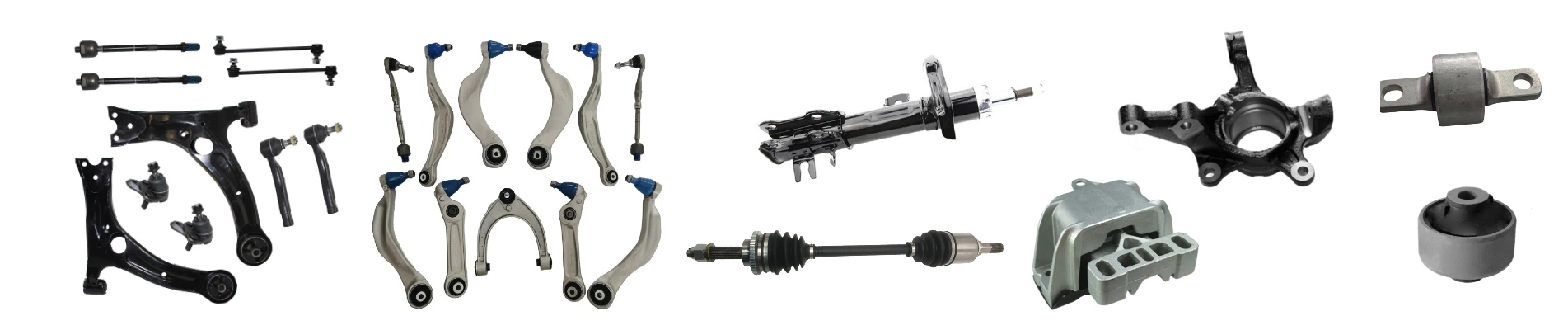
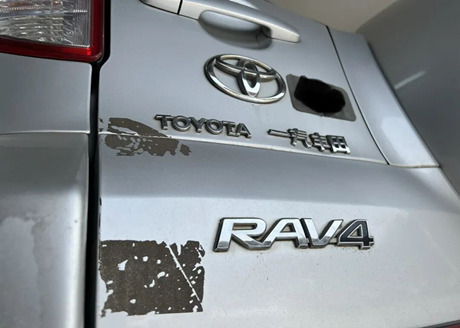
We’ve just arrived at the repair shop. An older‑looking Toyota RAV4 is on the lift, and the mechanic is removing the left and right lower control arms. The issue is badly torn control arm bushings, which cause rattling noises when driving over bumpy roads.
Does this mean both complete lower control arms need to be replaced? The mechanic says the worn‑out bushings can be swapped out individually, which cuts costs significantly compared to installing full control arm assemblies. While the mechanic replaces these control arm bushings, let’s take a closer look at the overall condition of this Toyota RAV4.
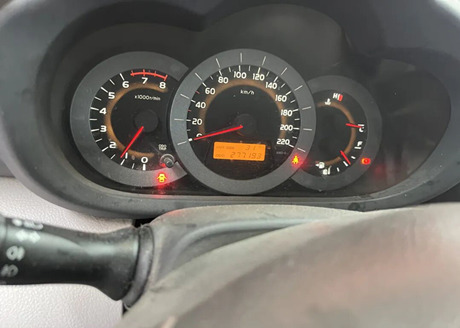
Looking at the dashboard, the total mileage reads 277,000 kilometers. This vehicle was manufactured in 2010. For a 16‑year‑old car, this mileage falls within the normal range for a household‑used vehicle.
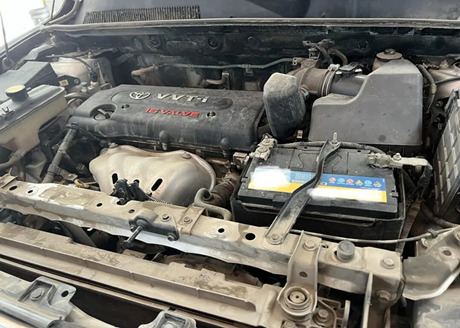
Opening the engine bay, we find the 1AZ‑FE 2.0‑liter naturally aspirated engine. There is minor oil seepage from the valve cover. No other obvious faults are spotted. The owner has kept up with solid routine engine maintenance, and worn‑out components have been replaced in a timely manner.
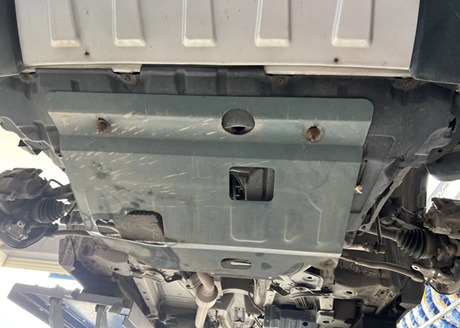
Looking underneath the chassis, a metal skid plate is fitted beneath the engine and transmission, and its two rear mounting screws have already been removed. Both left and right lower control arms have been taken off, while the lower ball joints remain attached to the bottom of the steering knuckles.
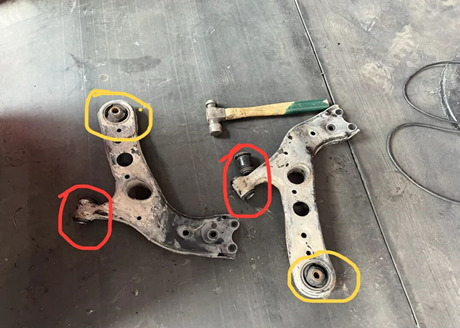
Let’s examine the two removed lower control arms. Each arm comes with two distinct bushings. The yellow‑marked area indicates the longitudinal bushing, and the red‑marked area stands for the lateral bushing. These two parts are exactly what will be replaced in this repair.
In the past, when these two bushings failed, mechanics would mostly replace the entire lower control arm, leading to relatively high repair costs. Replacing the bushings separately helps cut down repair expenses significantly.
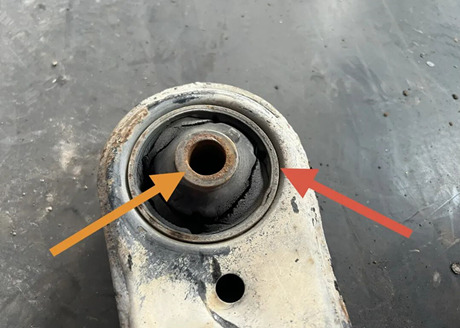
Take a look at the large longitudinally mounted bushing, as shown in the picture below. The red arrow points to the outer metal sleeve of the bushing, and the orange arrow marks its inner metal sleeve. The mounting bolt runs through the inner metal sleeve to fasten it to the subframe. Rubber material sits between these two metal sleeves, and the rubber is now heavily torn.
Looking at the front section of the chassis, most components are made of steel. Apart from minor surface rust, everything else is in good condition. The body panel material holds up well with zero rust formation.
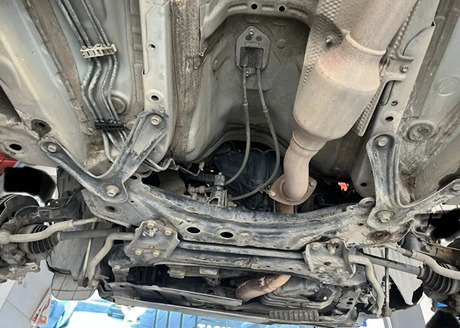
Moving to the middle section of the chassis, the large steel fuel tank with a 60‑liter capacity sits on the right side. The exhaust pipe runs along the left, and the central area provides reserved space for the 4‑wheel‑drive drive shaft.
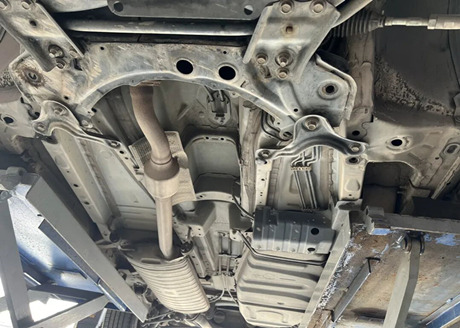
Looking at the rear section of the chassis, it features a multi‑link independent suspension.
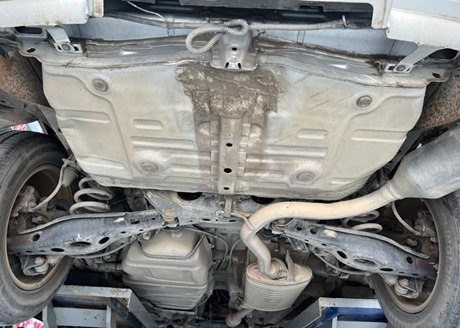
Upon inspecting the rear suspension, all components are in decent condition, and the bushings at the connecting points remain in fairly good shape.

ГОТОВЫ К ПОДПИСКЕ?
Компания СМК поставляем автозапчасти для ниже автозапчасти : Японские автомобили: Тойота, Хонда, Ниссан, Мазда, Субару, Митсубиси, Сузуки, Исузу. ... Европейский автомобиль: BMW, Benz, VW, Audi, Skoda, Порше, Мазерати, Рено, Пежо , Ситроен, Фиат, Опель, Ленд Ровер ... Американская машина: Тесла, Форд, Крайслер , Кадиллак , Бьюик , GMC, Шевроле, Линкольн, Фиат, Додж, ... Корейские автомобили: Hyundai, Kia, Daewoo. ... Китайские автомобили: Chery, Geely, GreatWall, Haval, BYD, Changan, JAC... Мы поставляем детали по всему миру: США, Канада, Европа, Мексика, Колумбия, Корея... Мы являемся ведущим поставщиком следующих автозапчастей: Детали подвески и рулевого управления (рычаг управления, рулевая тяга, стойка стабилизатора...) Тесла Aftermarket P искусства. Двигатель М подсчет/передача М количество СМК Авто части специально разработан для ремонта автомобилей части Наши компоненты шасси проходят строгие испытания, чтобы легко выдерживать сложные и изменчивые дорожные условия и климат. Продукция не только отличается исключительной прочностью, но и обеспечивает широкую совместимость и превосходную устойчивость, гарантируя вашим автомобилям надежную и долговечную поддержку. Многие зарубежные клиенты установили с нами долгосрочные партнерские отношения. Благодаря постоянному росту клиентской базы, многие зарубежные клиенты доверяют нам производство различных видов автомобильных запчастей. Чтобы удовлетворить разнообразные потребности клиентов, мы активно расширяем линейки продукции. Мы придерживаемся высоких стандартов производства, гарантируя, что каждое изделие соответствует строгим требованиям безопасности и долговечности, предъявляемым к различным рынкам. Мы приглашаем клиентов со всего мира выбрать нашу продукцию и обеспечить надежную защиту и повышение производительности ваших автомобилей! SMK всегда придерживается клиентоориентированного подхода, постоянно повышает качество продукции и уровень обслуживания, стремясь создавать большую ценность для клиентов по всему миру. В будущем мы продолжим придерживаться принципа «качество прежде всего, клиент прежде всего» и будем тесно сотрудничать с нашими партнерами для создания лучшего будущего.
 Поддерживается сеть IPv6