 Язык
Язык English
 français
 Deutsch
 русский
 español
 português


Что Вы ищете?

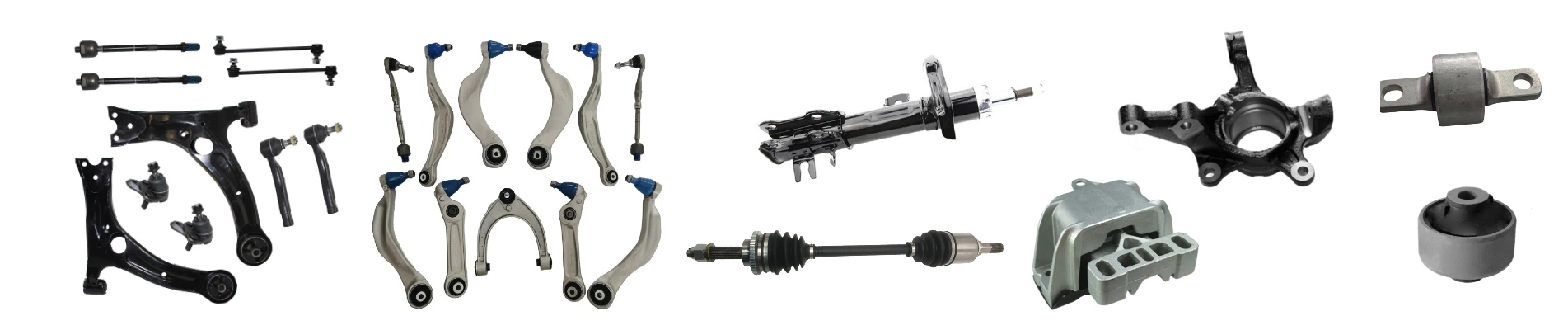
К уязвимым автомобильным деталям относятся компоненты, требующие регулярного осмотра, технического обслуживания или замены из-за трения, износа, старения, усталости и других факторов в процессе ежедневной эксплуатации автомобиля. На срок их службы сильно влияют стиль вождения, состояние дорог, условия эксплуатации (высокие температуры, пыль, холод и т. д.) и материалы, из которых изготовлены детали. Ниже приведено подробное описание диапазона сроков службы, стандартов замены и основных мер предосторожности для распространенных уязвимых деталей в зависимости от основной системы автомобиля, с учетом практичности и профессионализма. Данная информация подходит для большинства легковых автомобилей и распространенных моделей.
1. Уязвимые части системы двигателя
Двигатель, являясь «сердцем» автомобиля, напрямую влияет на мощность и стабильность работы своих уязвимых частей, поэтому особое внимание следует уделять износу и старению.
Срок службы: он зависит от материала, и различия существенны: свечи зажигания из никелевого сплава могут прослужить от 20 000 до 30 000 километров; платиновые – от 60 000 до 80 000 километров; иридиевые/иридиево-платиновые – от 80 000 до 100 000 километров; модели с функцией автоматического запуска/остановки или турбонаддувом требуют замены на 20% раньше из-за более быстрого износа.
Критерии замены: ① Затрудненный запуск, вибрация на холостом ходу, слабое ускорение или значительное увеличение расхода топлива автомобиля; ② После разборки и осмотра обнаружено, что электроды сильно изношены, имеют чрезмерное количество углеродных отложений или зазоры превышают 0,8-1,2 мм (подробности см. в руководстве по эксплуатации автомобиля); ③ Для достижения рекомендуемого срока службы соответствующего материала, даже при отсутствии явных отклонений, рекомендуется его замена во избежание внезапных поломок.
Стандарты замены: ① При каждом техническом обслуживании проверяйте, не покрыта ли поверхность фильтрующей бумаги пылью, масляными пятнами, повреждена ли она или забита, что препятствует эффективной фильтрации воздуха; ② Если наблюдается снижение мощности автомобиля и увеличение расхода топлива, после устранения других неполадок в первую очередь следует проверить воздушный фильтр; ③ Для достижения рекомендуемого срока службы, даже если внешний вид фильтра относительно чистый, его необходимо заменить, чтобы предотвратить попадание пыли в цилиндр и повреждение компонентов двигателя.
Критерии замены: ① Если ремень ГРМ имеет трещины, изношен, ослаблен или достиг рекомендованного срока службы, его необходимо заменить, одновременно заменив натяжитель и направляющий ролик; ② Если в цепи ГРМ появляется ненормальный шум, происходит перескок зубьев или выходит из строя натяжитель, его необходимо своевременно отремонтировать или заменить; ③ Если ремень порвется, это приведет к серьезным повреждениям двигателя, и этого следует избегать.
2. Уязвимые участки тормозной системы (блок безопасности, зона приоритетной проверки)
Уязвимые части тормозной системы напрямую связаны с безопасностью вождения и нуждаются в регулярной проверке на износ. Замену не следует откладывать.
Срок службы: от 30 000 до 70 000 километров, в зависимости от стиля вождения и типа транспортного средства — для городских поездок на работу пробег составляет от 40 000 до 60 000 километров, для автомобилей, часто резко тормозящих и движущихся по горным дорогам, — от 20 000 до 30 000 километров, а для моделей автомобилей на новых источниках энергии — до 70 000–80 000 километров благодаря рекуперации кинетической энергии.
Критерии замены: ① Толщина тормозных колодок ≤ 3 мм (примерно толщина монеты) или износ до такой степени, что колодки начинают скрипеть, вызывая резкий и ненормальный звук «скрипа» при нажатии на тормоз; ② Значительно увеличился тормозной путь, и педаль тормоза стала мягче. После исключения проблемы с тормозной жидкостью необходимо заменить тормозные колодки; ③ Износ передних и задних тормозных колодок не синхронизирован, обычно передние изнашиваются быстрее и требуют проверки и замены отдельно.
Критерии замены: ① Глубокие канавки (глубина > 1 мм), трещины или деформация поверхности тормозного диска, приводящие к вибрации при торможении; ② Износ тормозного диска превышает предельную толщину, указанную производителем; ③ Если тормозные колодки чрезмерно изношены и не заменены своевременно, что приводит к серьезным царапинам на тормозных дисках, тормозные диски необходимо заменить одновременно.
Критерии замены: ① Цвет тормозной жидкости потемнел, она стала мутной или содержание воды превысило 3% (определяется с помощью профессиональных приборов); ② При нажатии на тормоз педаль стала жесткой, тормоза ослабли или в тормозной системе образовалась утечка; ③ По истечении рекомендуемого срока службы необходимо заменить. При замене необходимо тщательно удалить воздух, чтобы избежать ухудшения эффективности торможения.
3. Хрупкие детали приводной системы
Уязвимые элементы системы привода влияют на устойчивость и комфорт автомобиля, поэтому следует обращать внимание на износ, старение и утечки.
Критерии замены: ① глубина протектора ≤ 1,6 мм (видны следы износа) или неравномерный износ (неравномерный износ, повреждение краев); ② на боковой поверхности шины появляются трещины, выпуклости и повреждения, или шина не подлежит ремонту после прокола гвоздями или острыми предметами; ③ если срок службы превышает 5 лет, даже при глубоком протекторе шину необходимо заменить (старение резины повышает вероятность разрыва шины); ④ если шина ремонтировалась более 3 раз, рекомендуется заменить ее, чтобы избежать риска разрыва шины при движении на высоких скоростях.
Критерии замены: ① Если амортизатор протекает (с масляными пятнами на корпусе цилиндра) или если наблюдается слабое сжатие или отбой, автомобиль будет испытывать сильные толчки во время движения, а также будут появляться явные ненормальные шумы при проезде лежачих полицейских или неровных дорог; ② При движении на высоких скоростях автомобиль может испытывать занос, крен кузова, а также сильные повороты и наклоны; ③ Пружина амортизатора изношена и деформирована, и ее необходимо заменить одновременно с амортизатором для обеспечения баланса кузова автомобиля.
Критерии замены: ① Ненормальный шум при повороте руля, увеличенное виртуальное положение рулевого колеса или неточная регулировка рулевого управления; ② В ходе осмотра обнаружено ослабление шарового шарнира, износ, растрескивание и отслоение резиновой втулки; ③ При движении автомобиля кузов трясется, а наклон усиливается при поворотах. После исключения проблем с шинами и амортизаторами необходимо осмотреть эти компоненты.
4. Уязвимые части электрической системы
Уязвимые элементы электрической системы влияют на нормальное функционирование различных электронных функций автомобиля, поэтому следует обращать внимание на износ и старение.
Критерии замены: ① Затрудненный запуск автомобиля, напряжение в холодном автомобиле ниже 12 В (профессиональная проверка) или многократные случаи отключения питания и невозможности запуска; ② Вздутие, протечка или быстрая потеря заряда корпуса батареи после зарядки; ③ Если срок службы превышает 3 года, рекомендуется проверять состояние батареи каждые шесть месяцев, своевременно заменять ее по истечении срока службы и избегать поломки в середине срока службы.
Критерии замены: ① Наличие остатков загрязнений, царапин, посторонних шумов или невозможность очистки при протирке, что ухудшает видимость; ② Износ, растрескивание и затвердевание резиновой прокладки стеклоочистителя, из-за чего она плохо прилегает к лобовому стеклу; ③ Перед началом сезона дождей рекомендуется проверить и заменить прокладку заранее, чтобы избежать проблем с безопасностью вождения в дождливую погоду (не используйте наждачную бумагу для полировки резиновой прокладки, чтобы не поцарапать лобовое стекло).
Критерии замены: ① Лампа перегорела, яркость значительно снизилась, или свет мигает и тускнеет с перерывами; ② Светодиодные лампы локально не светятся и имеют ненормальную цветопередачу; ③ После повреждения стоп-сигналов и указателей поворота их следует немедленно заменить, чтобы избежать ухудшения восприятия дороги движущимся сзади транспортным средством и предотвратить дорожно-транспортные происшествия.
5. Другие распространенные уязвимые места
Критерии замены: ① Сужение воздуховыпускного отверстия, появление запаха (плесени или пыли) или ухудшение качества воздуха в салоне автомобиля после включения кондиционера; ② Покрытие поверхности фильтра пылью, плесенью и волосами; ③ Даже при отсутствии явного запаха, фильтр необходимо заменить для обеспечения здоровья пассажиров в автомобиле, даже если он достиг рекомендованного срока службы.
Критерии замены: ① Скользкий старт, недостаточная передача мощности, рывки или посторонние шумы при переключении передач; ② Увеличение хода педали сцепления и слабый отскок; ③ При разборке и осмотре было обнаружено, что фрикционная пластина сцепления изношена до такой степени, что оголяются заклепки. Необходимо незамедлительно заменить ее и проверить выжимной подшипник сцепления.
Критерии замены: ① Цвет трансмиссионного масла потемнел, оно помутнело или появился запах; ② Переключение передач происходит рывками, задержками и слабым ускорением. После устранения других неисправностей необходимо заменить трансмиссионное масло; ③ Достигнув рекомендуемого срока службы, своевременно замените масло, чтобы избежать износа внутренних компонентов коробки передач.

ГОТОВЫ К ПОДПИСКЕ?
Компания СМК поставляем автозапчасти для ниже автозапчасти : Японские автомобили: Тойота, Хонда, Ниссан, Мазда, Субару, Митсубиси, Сузуки, Исузу. ... Европейский автомобиль: BMW, Benz, VW, Audi, Skoda, Порше, Мазерати, Рено, Пежо , Ситроен, Фиат, Опель, Ленд Ровер ... Американская машина: Тесла, Форд, Крайслер , Кадиллак , Бьюик , GMC, Шевроле, Линкольн, Фиат, Додж, ... Корейские автомобили: Hyundai, Kia, Daewoo. ... Китайские автомобили: Chery, Geely, GreatWall, Haval, BYD, Changan, JAC... Мы поставляем детали по всему миру: США, Канада, Европа, Мексика, Колумбия, Корея... Мы являемся ведущим поставщиком следующих автозапчастей: Детали подвески и рулевого управления (рычаг управления, рулевая тяга, стойка стабилизатора...) Тесла Aftermarket P искусства. Двигатель М подсчет/передача М количество СМК Авто части специально разработан для ремонта автомобилей части Наши компоненты шасси проходят строгие испытания, чтобы легко выдерживать сложные и изменчивые дорожные условия и климат. Продукция не только отличается исключительной прочностью, но и обеспечивает широкую совместимость и превосходную устойчивость, гарантируя вашим автомобилям надежную и долговечную поддержку. Многие зарубежные клиенты установили с нами долгосрочные партнерские отношения. Благодаря постоянному росту клиентской базы, многие зарубежные клиенты доверяют нам производство различных видов автомобильных запчастей. Чтобы удовлетворить разнообразные потребности клиентов, мы активно расширяем линейки продукции. Мы придерживаемся высоких стандартов производства, гарантируя, что каждое изделие соответствует строгим требованиям безопасности и долговечности, предъявляемым к различным рынкам. Мы приглашаем клиентов со всего мира выбрать нашу продукцию и обеспечить надежную защиту и повышение производительности ваших автомобилей! SMK всегда придерживается клиентоориентированного подхода, постоянно повышает качество продукции и уровень обслуживания, стремясь создавать большую ценность для клиентов по всему миру. В будущем мы продолжим придерживаться принципа «качество прежде всего, клиент прежде всего» и будем тесно сотрудничать с нашими партнерами для создания лучшего будущего.
 Поддерживается сеть IPv6