 Язык
Язык English
 français
 Deutsch
 русский
 español
 português


Что Вы ищете?
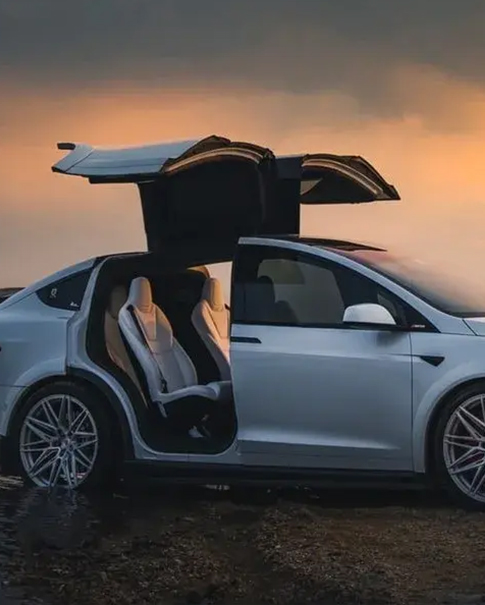
Китайские автомобили пережили исторический всплеск популярности в мире, превратившись из второстепенного игрока в лидера отрасли. Крупнейший в мире экспортер автомобилей Китайские бренды, являясь доминирующей силой на мировом рынке электромобилей (EV), благодаря технологическому лидерству, непревзойденной ценности и агрессивной глобальной экспансии, меняют глобальный автомобильный ландшафт как на зрелых, так и на развивающихся рынках.
Китайские автомобили доставляют Премиальные функции по ценам массового рынка подрывая позиции европейских/японских конкурентов путем 20–30% при этом предлагая сопоставимые или превосходящие характеристики — особенно в электромобилях.
Ушёл в прошлое стереотип о «дешёвых, низкокачественных» товарах. Такие бренды, как... НИО , Ли Авто , и XPeng конкурировать в премиум-сегменте, при этом БИД и Чери Завоевывайте доверие посредством надежности и качественного обслуживания.

ГОТОВЫ К ПОДПИСКЕ?
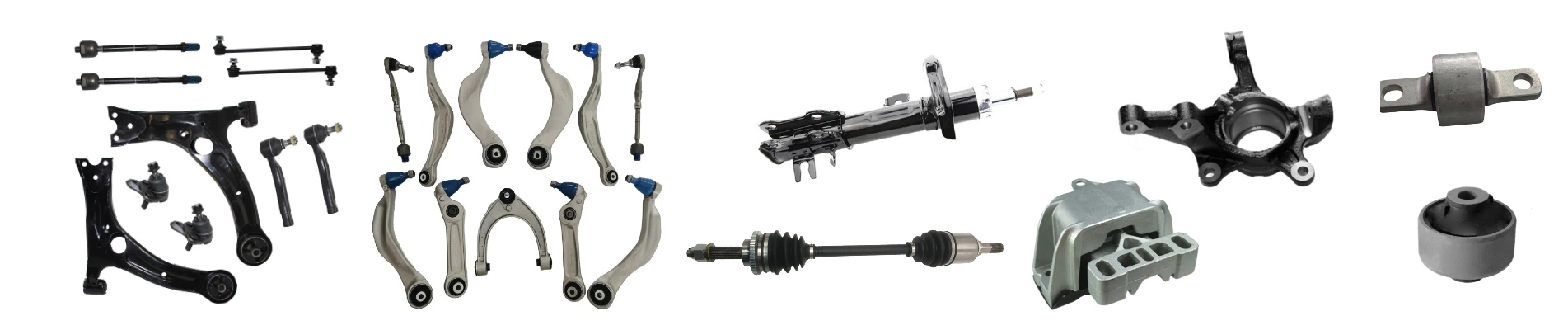
Компания СМК поставляем автозапчасти для ниже автозапчасти : Японские автомобили: Тойота, Хонда, Ниссан, Мазда, Субару, Митсубиси, Сузуки, Исузу. ... Европейский автомобиль: BMW, Benz, VW, Audi, Skoda, Порше, Мазерати, Рено, Пежо , Ситроен, Фиат, Опель, Ленд Ровер ... Американская машина: Тесла, Форд, Крайслер , Кадиллак , Бьюик , GMC, Шевроле, Линкольн, Фиат, Додж, ... Корейские автомобили: Hyundai, Kia, Daewoo. ... Китайские автомобили: Chery, Geely, GreatWall, Haval, BYD, Changan, JAC... Мы поставляем детали по всему миру: США, Канада, Европа, Мексика, Колумбия, Корея... Мы являемся ведущим поставщиком следующих автозапчастей: Детали подвески и рулевого управления (рычаг управления, рулевая тяга, стойка стабилизатора...) Тесла Aftermarket P искусства. Двигатель М подсчет/передача М количество СМК Авто части специально разработан для ремонта автомобилей части Наши компоненты шасси проходят строгие испытания, чтобы легко выдерживать сложные и изменчивые дорожные условия и климат. Продукция не только отличается исключительной прочностью, но и обеспечивает широкую совместимость и превосходную устойчивость, гарантируя вашим автомобилям надежную и долговечную поддержку. Многие зарубежные клиенты установили с нами долгосрочные партнерские отношения. Благодаря постоянному росту клиентской базы, многие зарубежные клиенты доверяют нам производство различных видов автомобильных запчастей. Чтобы удовлетворить разнообразные потребности клиентов, мы активно расширяем линейки продукции. Мы придерживаемся высоких стандартов производства, гарантируя, что каждое изделие соответствует строгим требованиям безопасности и долговечности, предъявляемым к различным рынкам. Мы приглашаем клиентов со всего мира выбрать нашу продукцию и обеспечить надежную защиту и повышение производительности ваших автомобилей! SMK всегда придерживается клиентоориентированного подхода, постоянно повышает качество продукции и уровень обслуживания, стремясь создавать большую ценность для клиентов по всему миру. В будущем мы продолжим придерживаться принципа «качество прежде всего, клиент прежде всего» и будем тесно сотрудничать с нашими партнерами для создания лучшего будущего.
 Поддерживается сеть IPv6